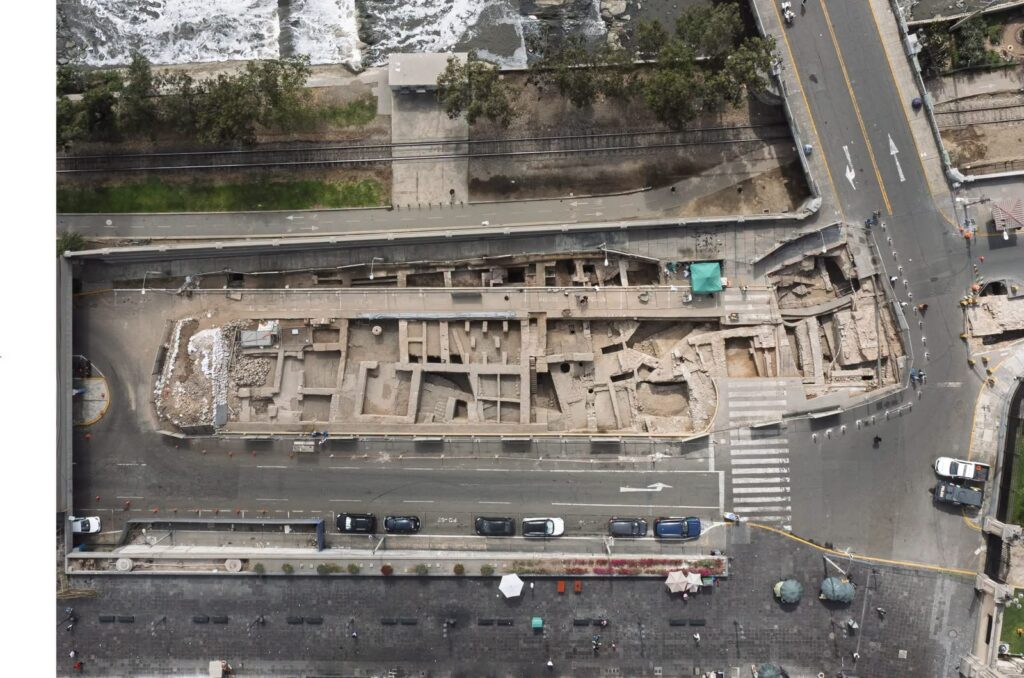
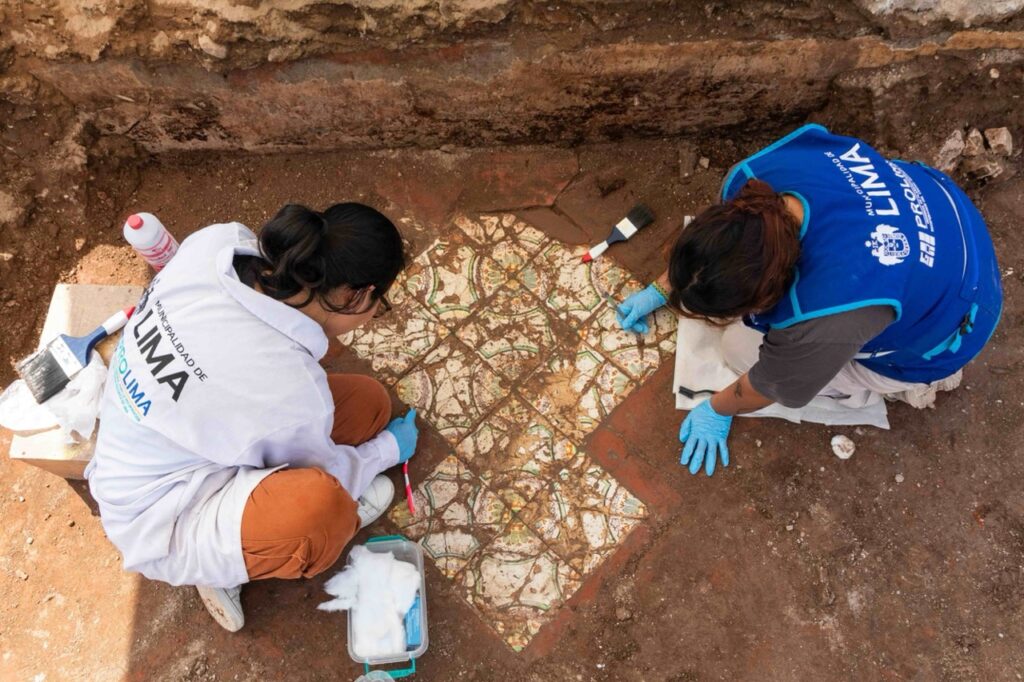
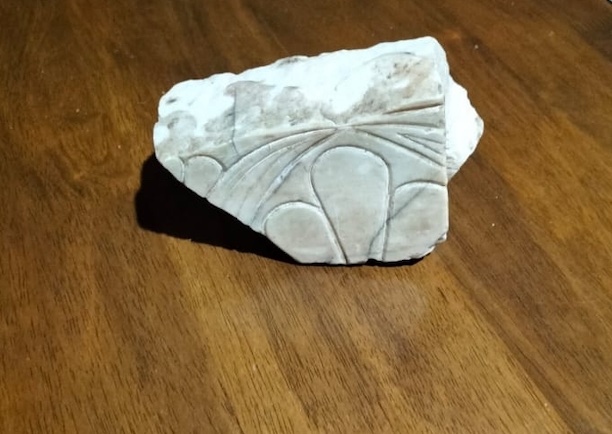
The Molino de Aliaga, the Peruvian capital’s earliest colonial structure discovered to date, was built by the Spanish conquistador Jerónimo de Aliaga in the 16th century
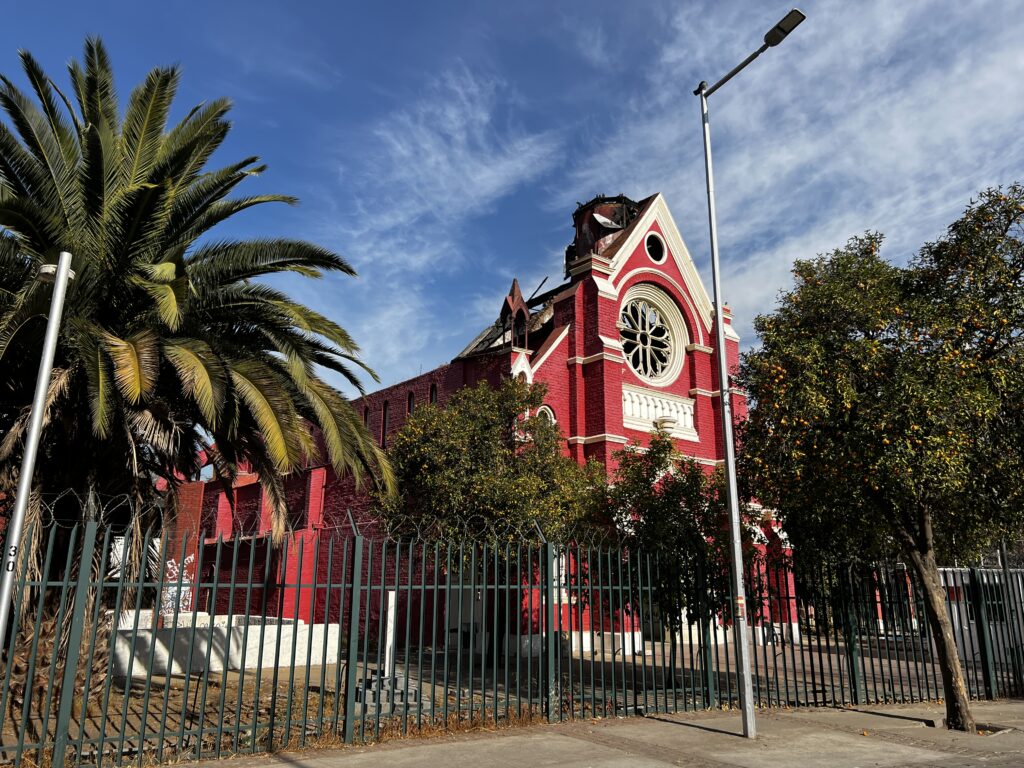
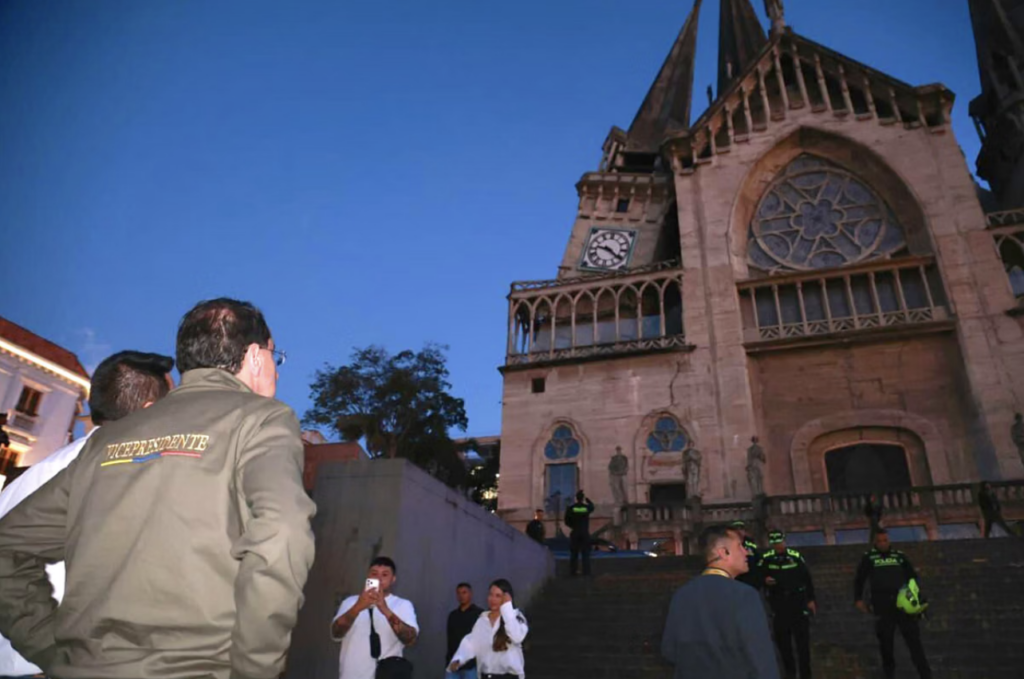
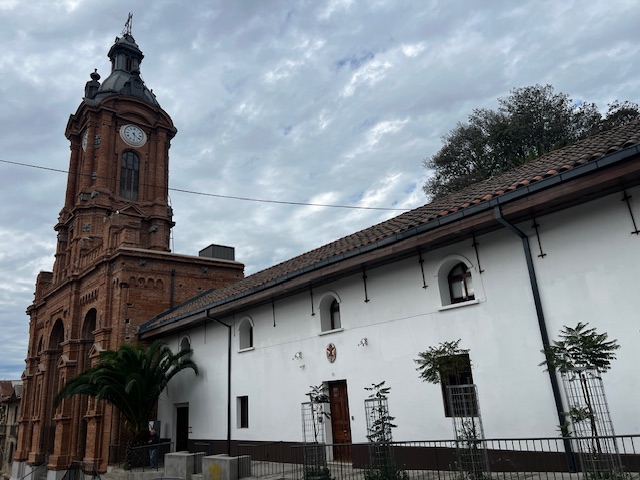
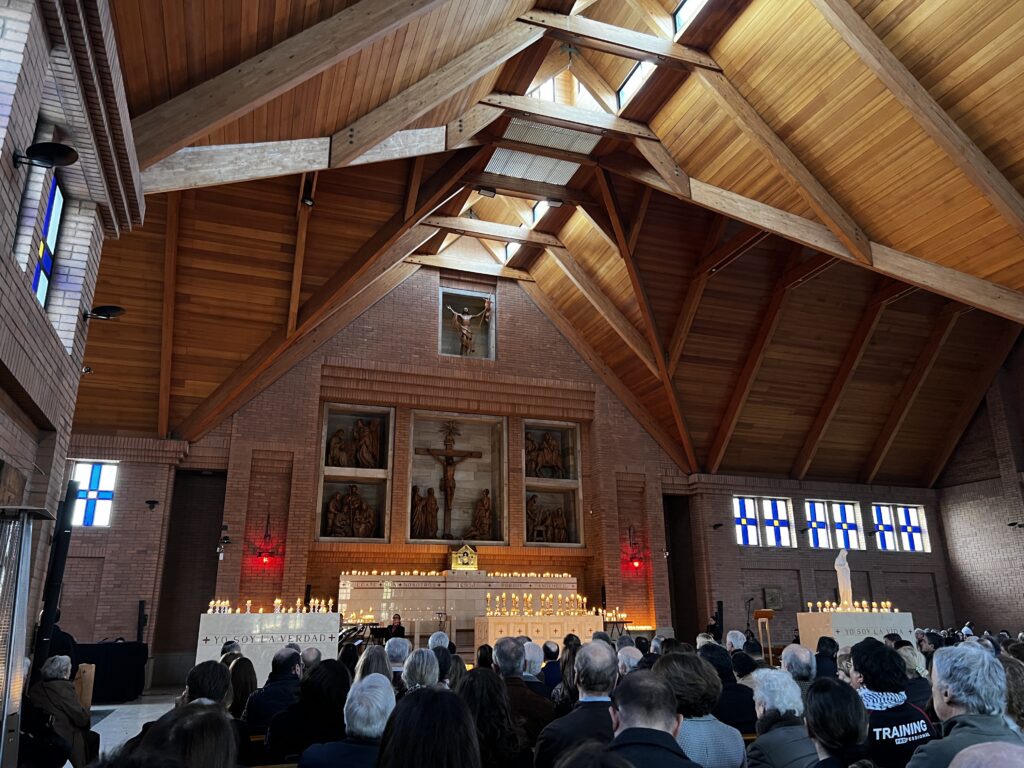
Santiago’s 19th-century Church of San Francisco de Borja, known for its stained-glass windows, will resume its community role as a national shrine to Our Lady of Fátima after it was set aflame during nationwide protests in 2020
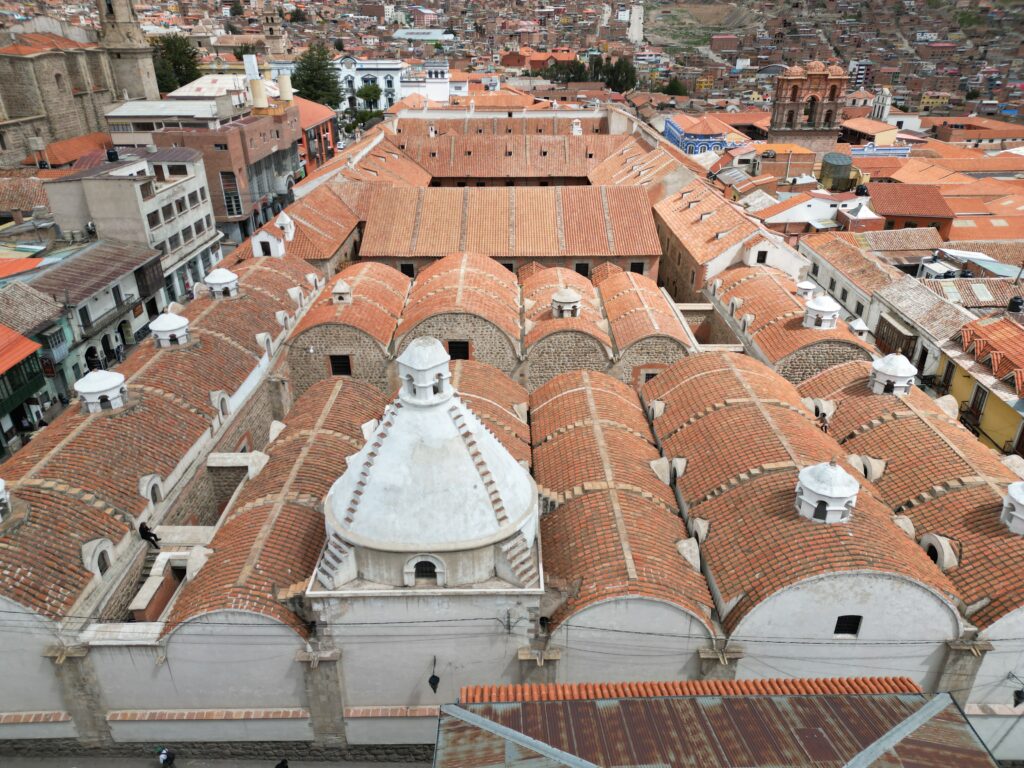
The Casa Nacional de Moneda in Potosí, famous for its silver objects, coining machinery and colonial paintings, will undergo repair of its roofs and stonework
The falling birth rate across many parts of the world has become an issue that is leading educational institutions around the world to analyze its impact on enrollment. In the United States, some schools have closed their doors because they don’t have enough students. In Latin America, the “demographic cliff” is becoming just as severe.
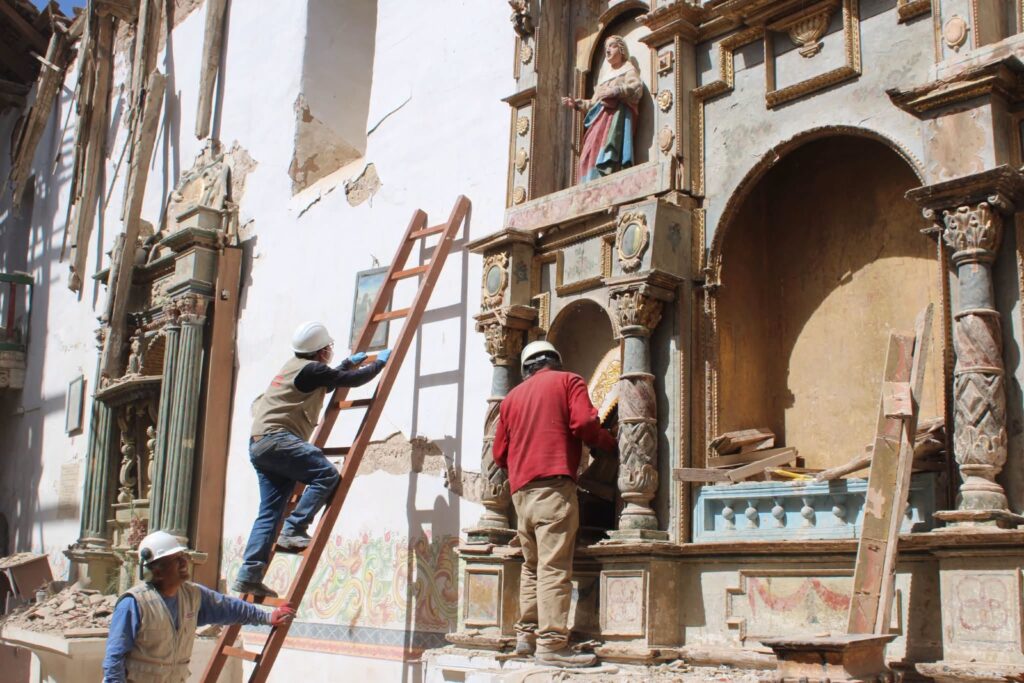
A 5.1-magnitude quake on 18 July caused the collapse of the roof and part of the facade of the colonial-era Iglesia Apóstol Santiago, one of the oldest churches in the Peruvian highlands.
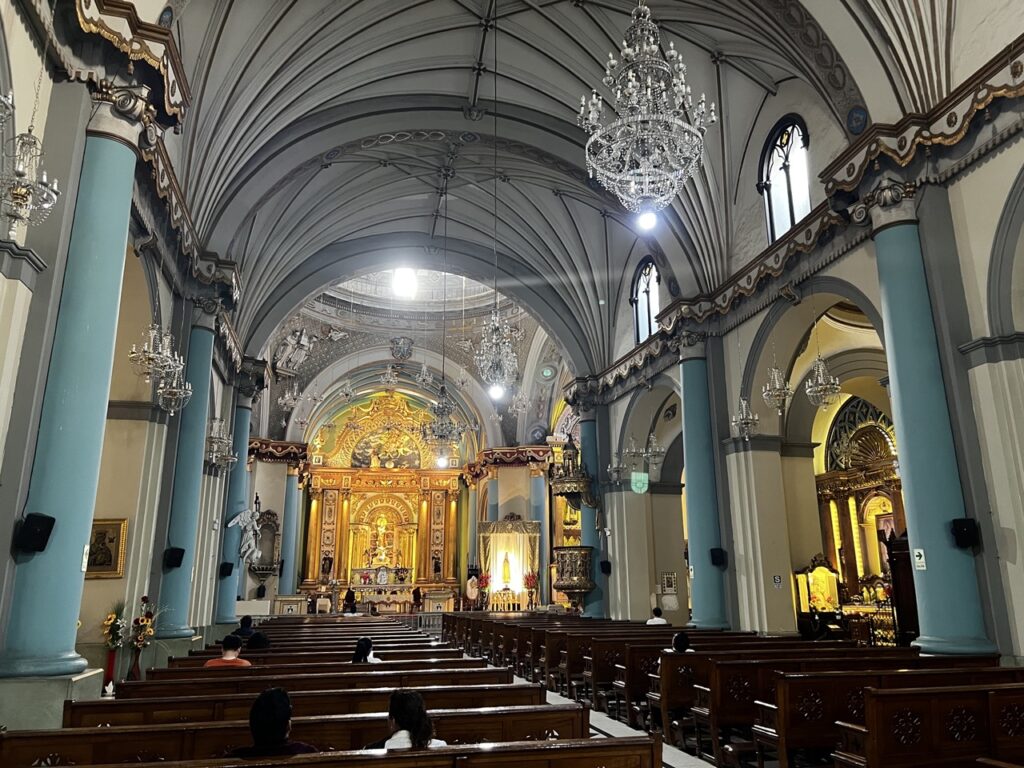
Tourists used to just stop in Lima on their way to Cuzco and Machu Picchu. These days, it has become a destination with trendy restaurants and restored historic buildings that tell the story of “The City Of Kings.” Founded in 1535 by Spanish conqueror Francisco Pizarro, Lima was once the most important city in South America.
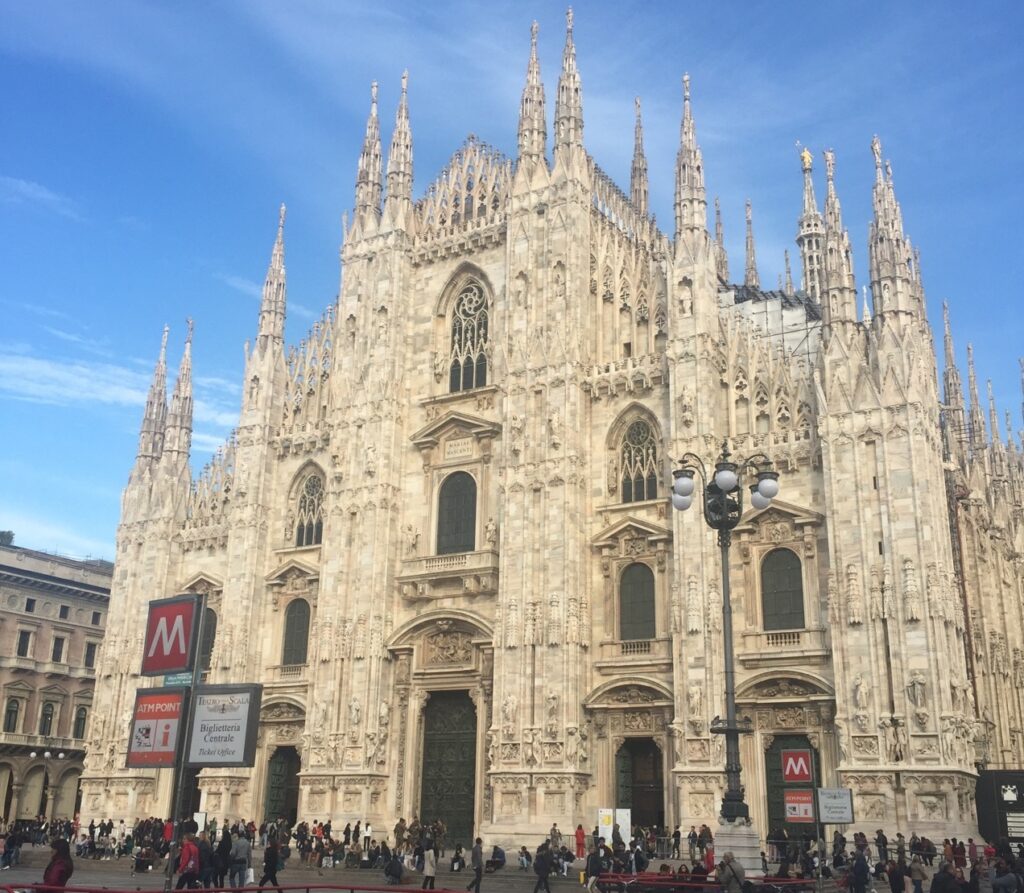
The Italian city of Milan takes center stage in “The Devil Wears Prada 2.” The film showcases the city’s most iconic places, such as the Duomo, the Pinacoteca di Brera and the church courtyard and convent of Santa Maria delle Grazie, which houses Leonardo Da Vinci’s iconic mural “The Last Supper.”
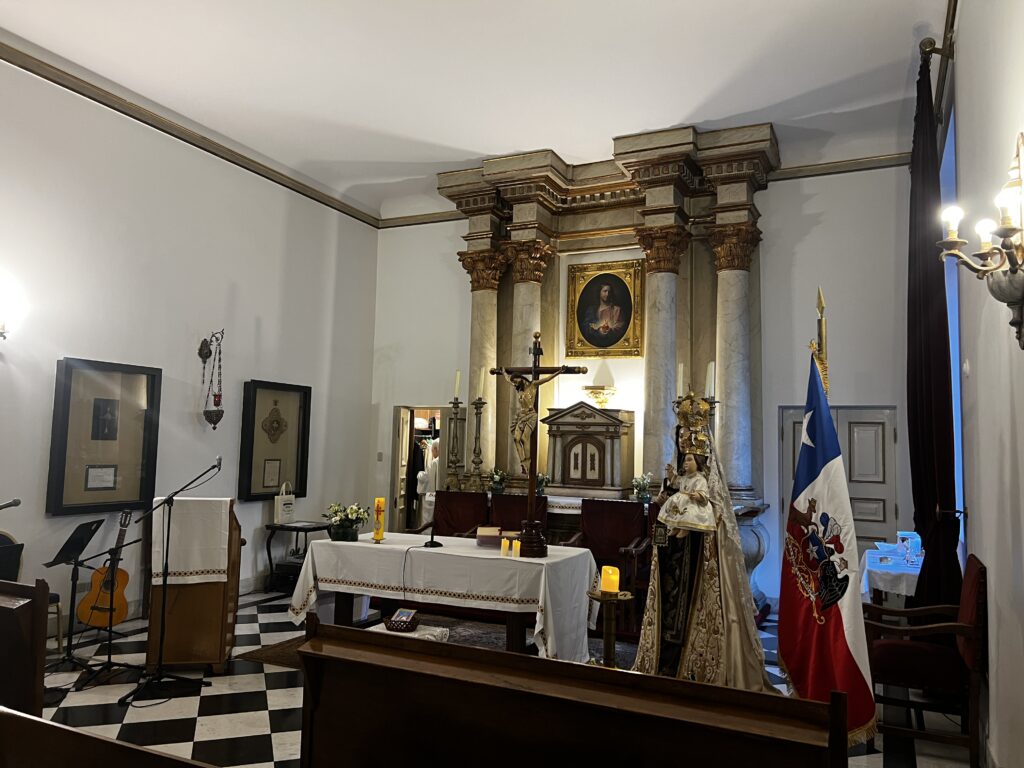
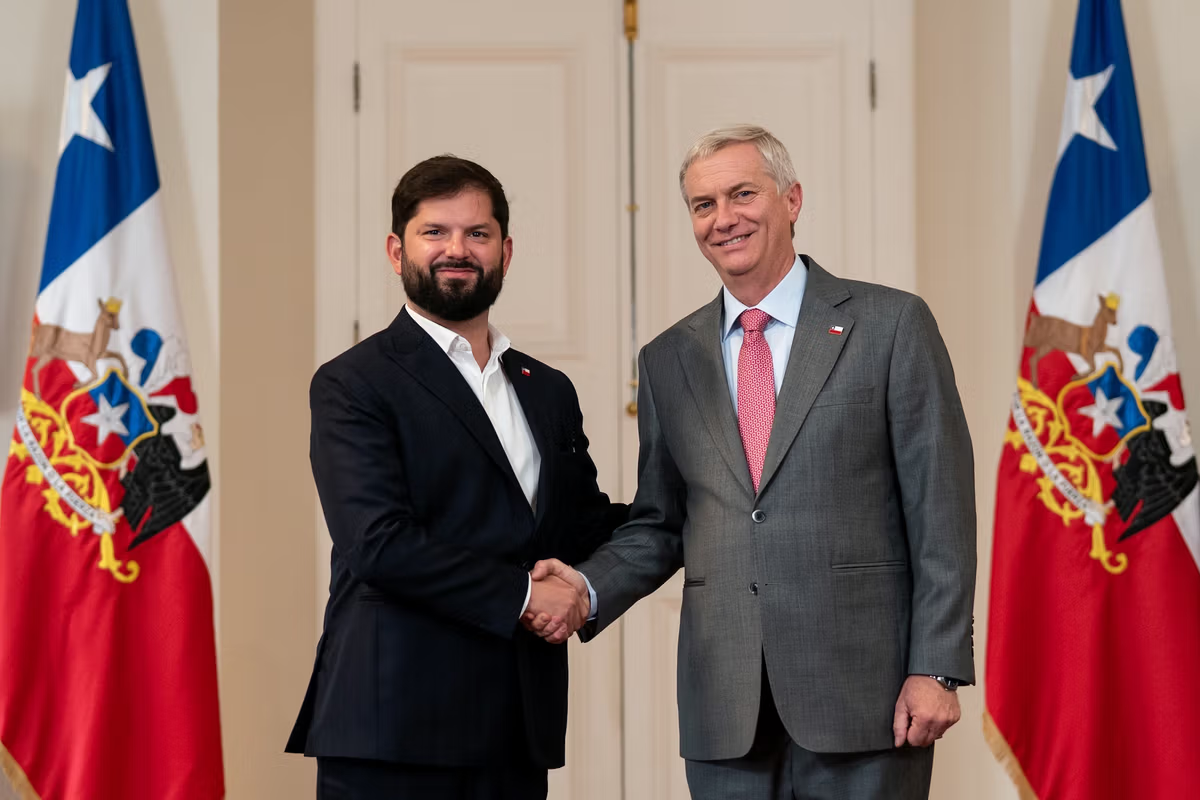
President José Antonio Kast has elevated the Catholic chapel at La Moneda, expanding Masses to four times a week and regularly attending with First Lady María Pía Adriasola. His visible faith marks a shift from predecessor Gabriel Boric, highlighting religion’s renewed prominence within Chile’s presidential palace and in public life.
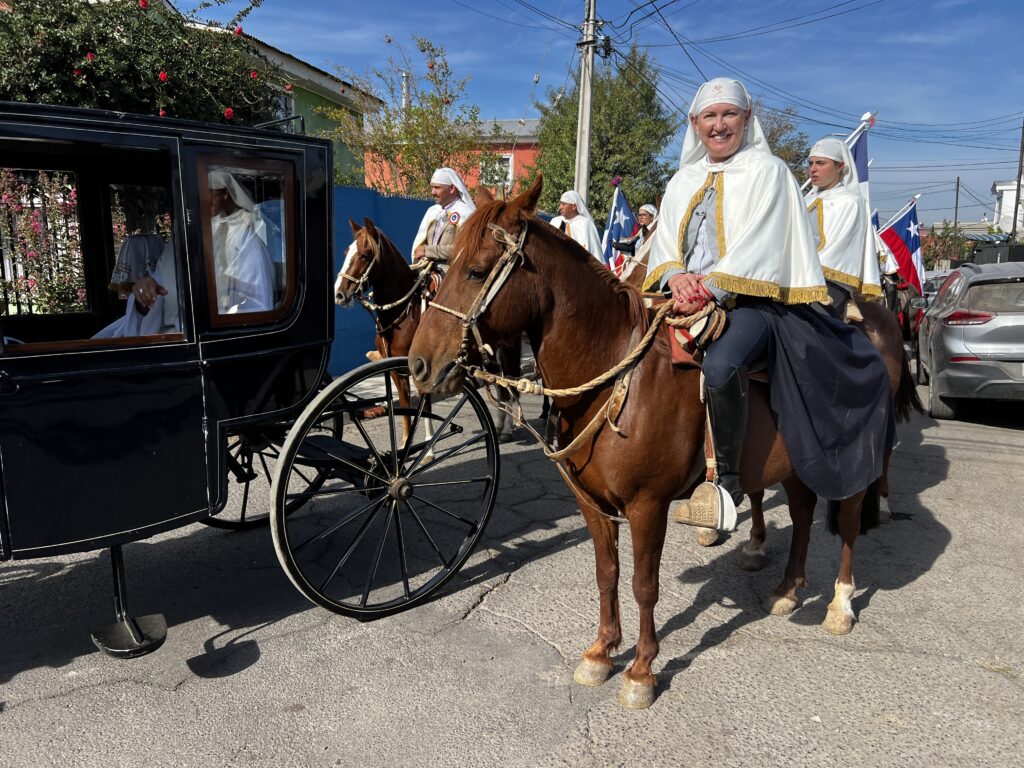
Some 1,800 horsemen flooded the streets of Colina, a rural municipality on the outskirts of Santiago, for the Feast of Cuasimodo on April 12. They accompanied the priests who traveled in a carriage to bring communion to the elderly and the sick on the Sunday after Easter, a tradition that dates back to the early years of Chile as a republic.
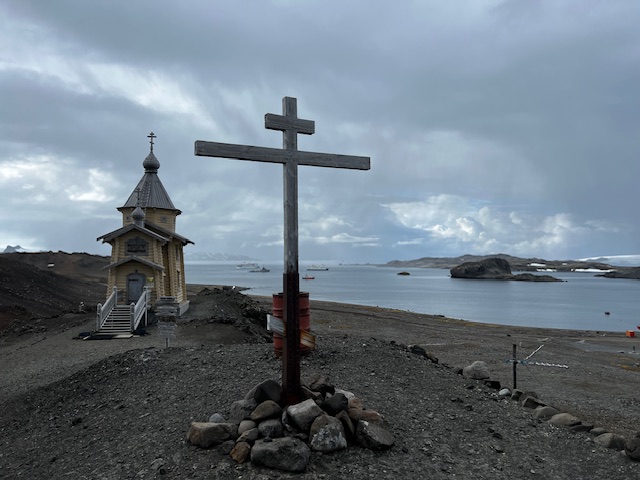
A 22-year-old Russian Orthodox church attracts visitors like no other place on Antarctica’s King George Island, which lies in the Drake Passage located some 500 miles south of Cape Horn.
The 3% cut to all ministries’ budgets, which has raised concerns within the National Union of Artists, is part of José Antonio Kast’s plan to bring down public spending.
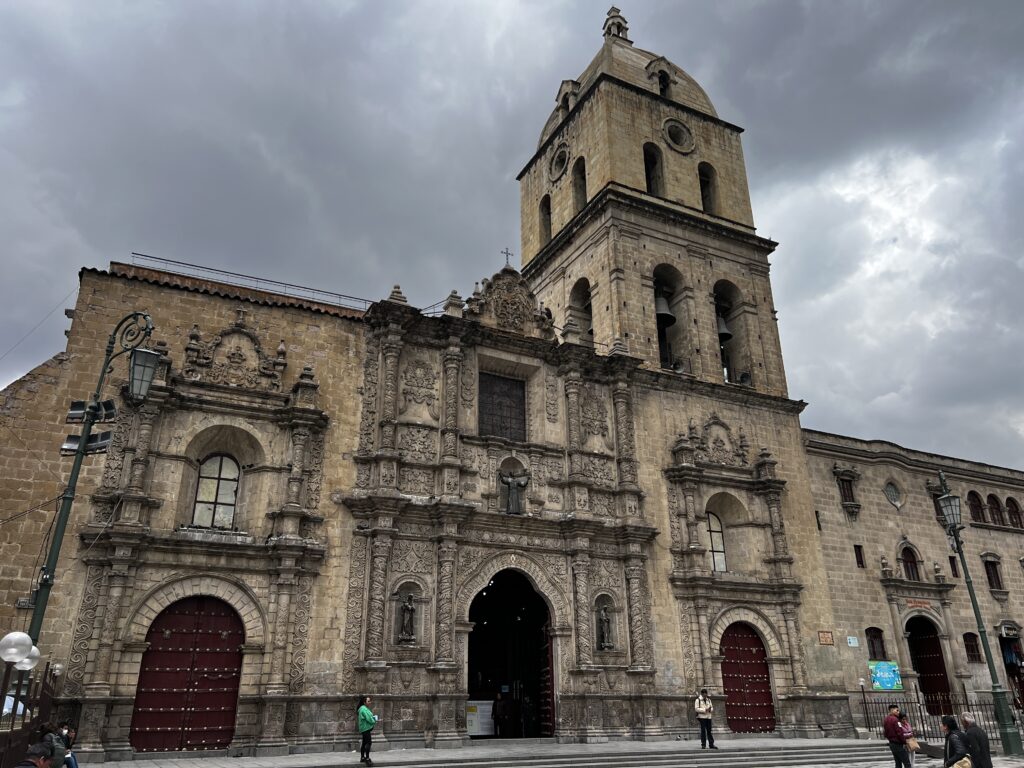
The church of San Francisco in La Paz, Bolivia is “a living part of the memory of the city,” residents say. The current building has been standing since 1800, but the history of the church goes back further—to its founding in 1549 by the Franciscans, who arrived with Spanish conquerors.
The history of San Francisco Church in Valparaíso is so intertwined with the Chilean port city that when a fire burned down the building in 2013, one neighbor felt like she was losing a friend. The city owes its nickname “Pancho” to the church (men named “Francisco” are often called “Pancho” in Latin America).
A concert for peace in Gaza brought together Jews and Palestinians at a Catholic church in Santiago. Some 500 people attended the concert, organized by the Archbishop of Santiago, Cardinal Fernando Chomalí.
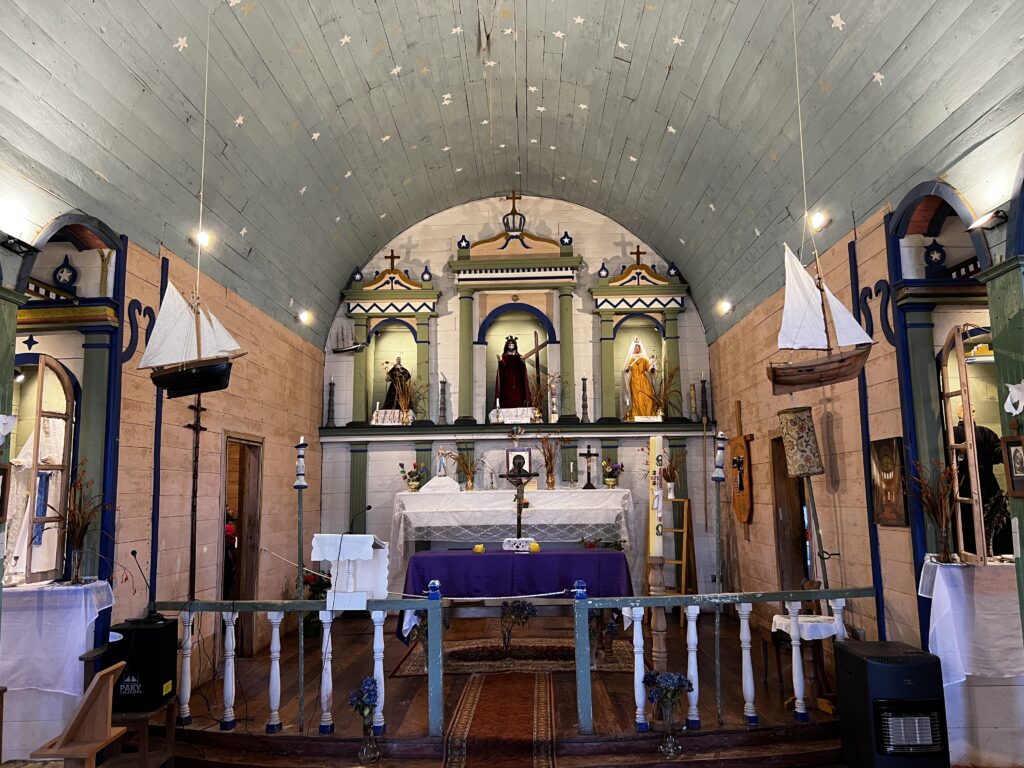
Chiloé, an archipelago off the coast of Chile, is known for its wooden churches — built by Jesuit missionaries as early as the 17th century. In 2000, many of these churches were declared UNESCO World Heritage Sites, but even still they face challenges connected to maintenance and declining church attendance.
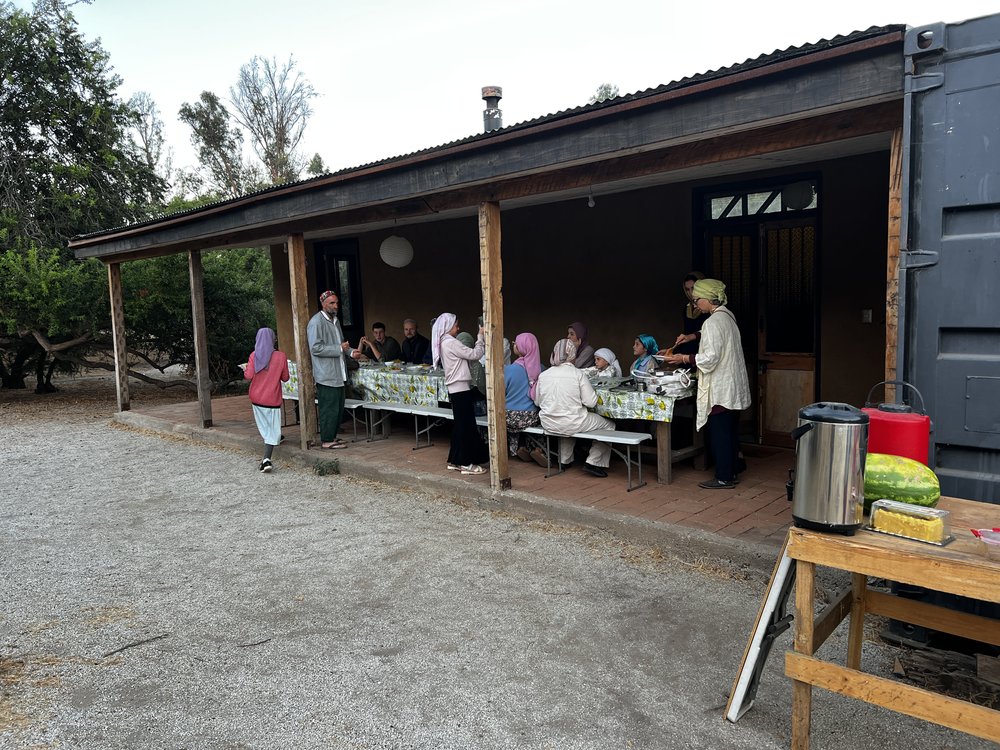
As Ramadan approaches, a Sufi community in Chile is grappling with the challenges of preparing for fasting in a non-Muslim country. Catholic-majority Chile knows little about Ramadan, the holy month in the Islamic lunar calendar in which Muslims fast just before sunrise until the setting of the sun. They also abstain from sexual relations during the fast and avoid cursing, fighting or arguing.
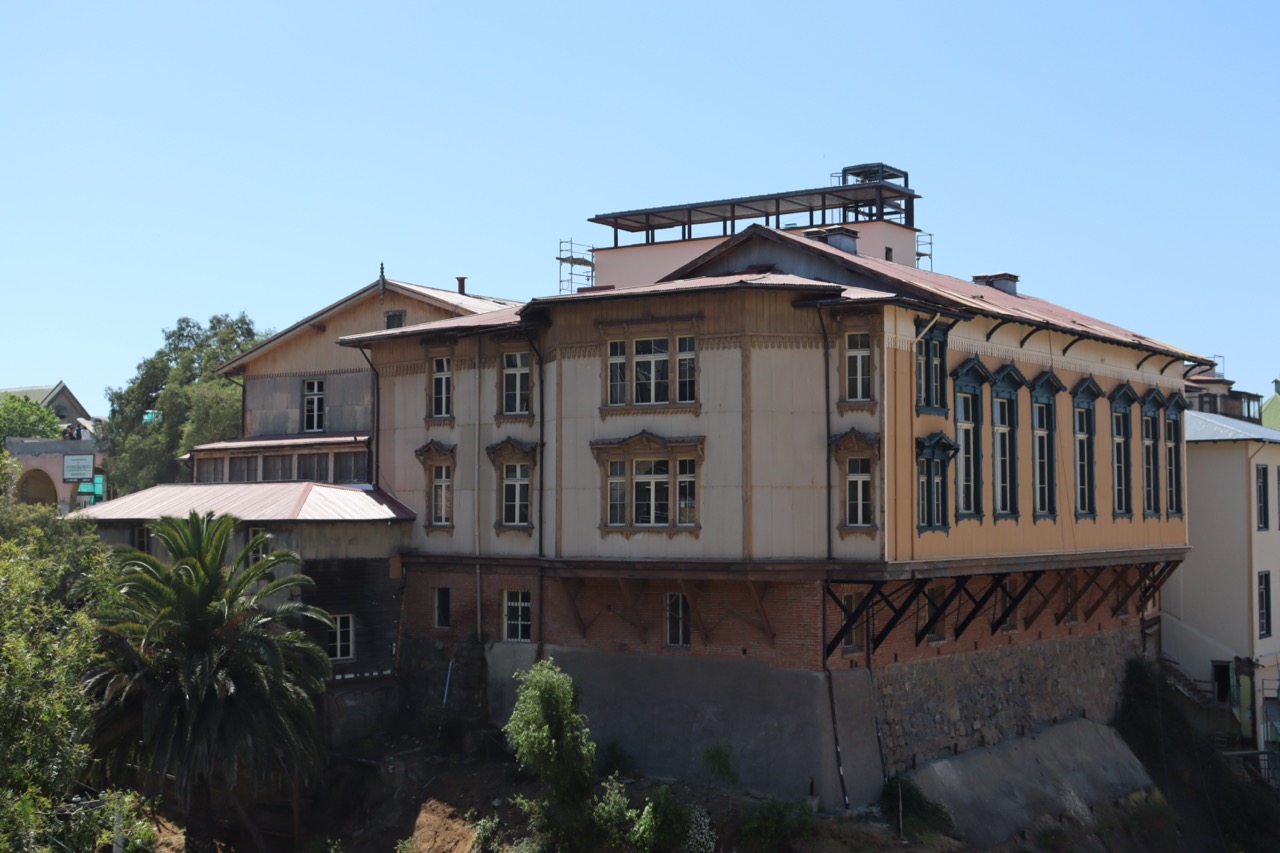
A new immigrant museum near the 19th-century Anglican and Lutheran churches and Catholic and Protestant cemeteries plans to become the center of cultural life on Valparaíso’s most visited attraction, Cerro Concepción. The former German School of Valparaíso is undergoing a renovation to become the Museo del Inmigrante, or Immigrant Museum.
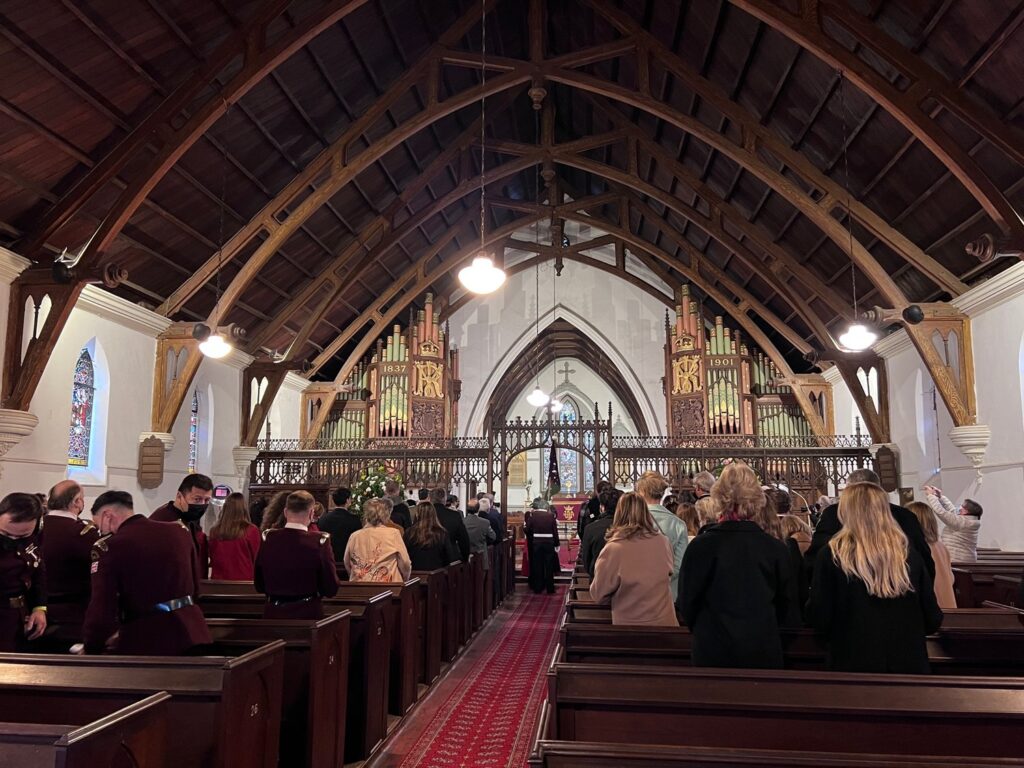
Every Sunday the Anglican cathedral of St. Paul in Valparaíso opens its doors at noon to welcome visitors who come to listen to concerts on its organ. This routine on the century-old organ has kept the church alive for the last 30 years.
Every Nov. 1, thousands of families visit their deceased relatives and friends as part of a popular tradition in Chile and the Americas. This year, the Chilean government ordered cemeteries to close on Oct. 31 and Nov. 1, saying it is a measure to prevent contagion of COVID-19. The same reason wasn’t an argument when, just a week ago, the government urged Chileans to vote.
Paradise for international companies appears to be in Argentina where last year retail sales posted a double-digit increase and private consumption accounted for about two thirds of the economy. But with the silver lining comes a cloud, and the tricky part for foreign companies is that money made in Argentina stays in Argentina.
On my latest trip to Buenos Aires in November, I decided not to use my credit card so I wouldn’t end up overpaying for everything from a Starbucks coffee to a leather purse. Instead, I calculated how many Argentine pesos I needed for my six days and went to a specialized shop that gives more pesos for U.S. dollars than the fixed government set exchange rate. Unfortunately, I underestimated my spending and I ran short of pesos.
After more than a century producing wine in Chile, and more recently in Argentina, Vina Concha y Toro SA is looking to put newly acquired California winemaker Fetzer Vineyards back on the U.S. consumer’s wine rack.